

Getting ready to build, remodel, or tackle a major repair starts with a clear plan. Taking a little time up front to define what you want, what you can invest, and when you need the work done will make every conversation with your contractor more productive.
Use the ideas below as a quick guide, and pair them with our downloadable worksheets so you can capture notes, priorities, and questions as you go.
Use the ideas below as a quick guide, and pair them with our downloadable worksheets so you can capture notes, priorities, and questions as you go.
Define Your Goals
Before you talk numbers, get clear on what you want this project to do for you.
- List your must-haves and nice-to-haves.
- Think about how you use the space today and how you want to use it in the future.
- Collect a few example photos that feel realistic for your home and budget.
Set a Realistic Budget
A clear budget range helps us guide design choices and keep the project on track.
- Decide what you are comfortable investing, not just the maximum possible.
- Leave a contingency (typically 10–15%) for surprises or upgrades.
- Consider phasing work if you have a long wish list.
Outline Your Timeline
Even straightforward projects involve many steps, from planning and permitting to inspections and final punch list.
- Note any important dates, events, or seasons to work around.
- Decide when you would like to start and when you ideally need to be finished.
- Be open to a flexible schedule for the best combination of price, crew availability, and weather.
| Question | Answer |
|---|---|
| Do you provide free estimates? | Yes. We are happy to discuss your project, review basic scope, and provide a no-obligation estimate. For complex projects that require detailed preconstruction work, we may recommend a paid planning agreement. |
| How far in advance should I contact you? | As soon as you are seriously considering a project. The more lead time we have, the better we can plan around permitting, material lead times, and seasonal weather. |
| Can you help with design and permits? | Yes. We routinely coordinate with designers, engineers, and Jefferson County for permitting. We can help you understand what approvals are likely to be required for your project. |
| Who handles inspections? | We schedule and coordinate required inspections as part of our work. We will let you know when inspections are happening and what to expect. |
| How are payments structured? | Most projects use a schedule of payments tied to milestones, such as signing, start of work, major phases, and final completion. We will review the payment schedule with you before you sign a contract. |
| Will I have a single point of contact? | Yes. You will have a primary contact who keeps you updated, answers questions, and coordinates our crew and any subcontractors working on your project. |
| Can you work while we are living in the home? | Often, yes. We will discuss safety, dust control, access, and quiet hours to make the process as comfortable as possible. |
Most projects on the Olympic Peninsula are subject to local permitting and inspection requirements. The exact rules depend on your location, the type of work, and current building codes.
As your general contractor, we can help you understand which permits are likely to apply, coordinate with designers and engineers when needed, and schedule required inspections. Regulations and processes do change over time, so always confirm the latest information directly with the appropriate local authority.
During our conversations, we will review permitting steps as part of your overall project plan so there are fewer surprises along the way.
As your general contractor, we can help you understand which permits are likely to apply, coordinate with designers and engineers when needed, and schedule required inspections. Regulations and processes do change over time, so always confirm the latest information directly with the appropriate local authority.
During our conversations, we will review permitting steps as part of your overall project plan so there are fewer surprises along the way.
Regular maintenance extends the life of your home and can prevent small issues from becoming costly repairs.
Seasonal ideas to consider:
Seasonal ideas to consider:
- Decks and exterior wood: Inspect for soft spots, loose railings, and peeling finishes. Re-seal or re-stain as recommended for your materials.
- Foundations and drainage: Walk around your home after a heavy rain. Look for pooled water, clogged drains, or signs of erosion that could affect your foundation.
- Driveways and walks: Note cracks, heaving, or unsafe trip points. Addressing these early can reduce future damage.
- Utilities and site work: Keep access to shutoffs clear and watch for signs of leaks, unusual settling, or exposed lines.

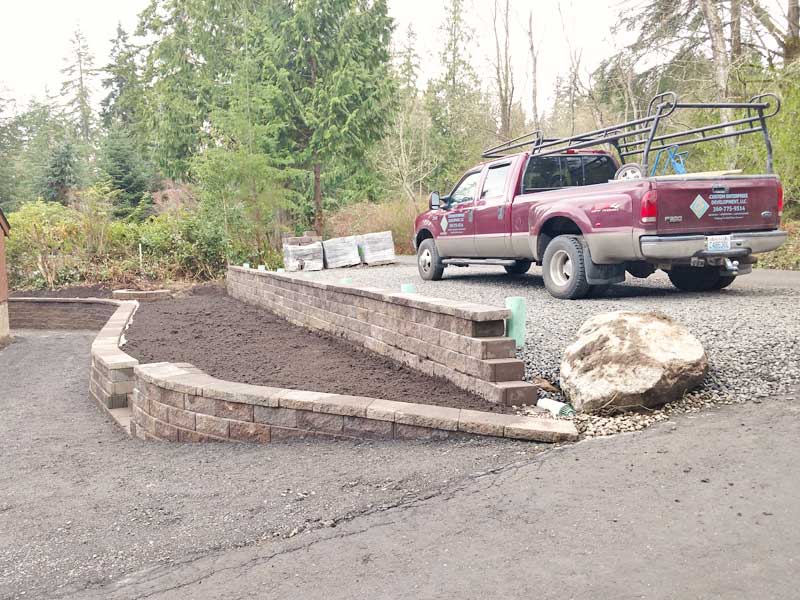

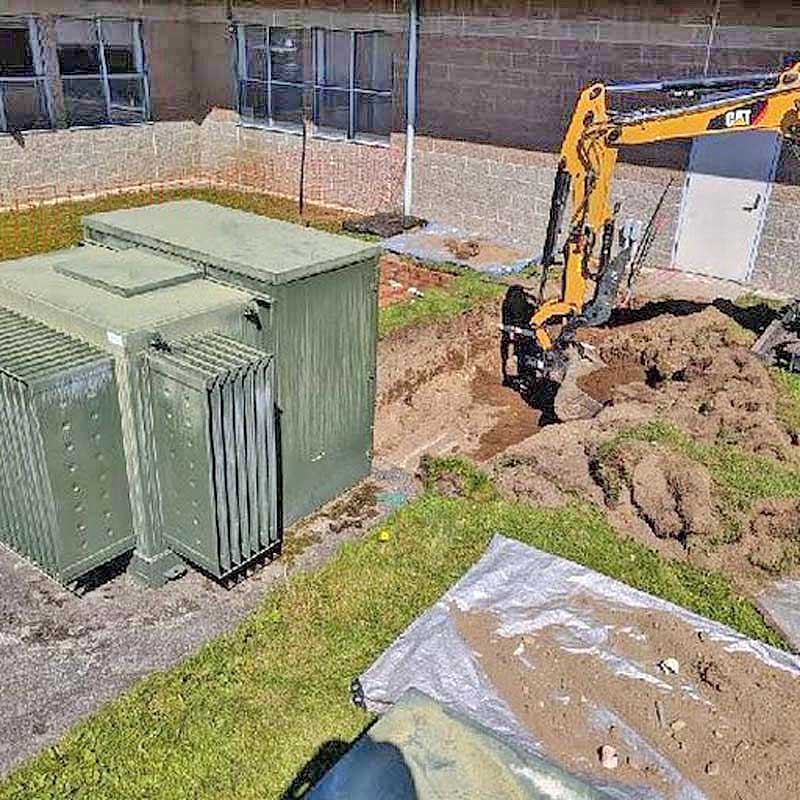
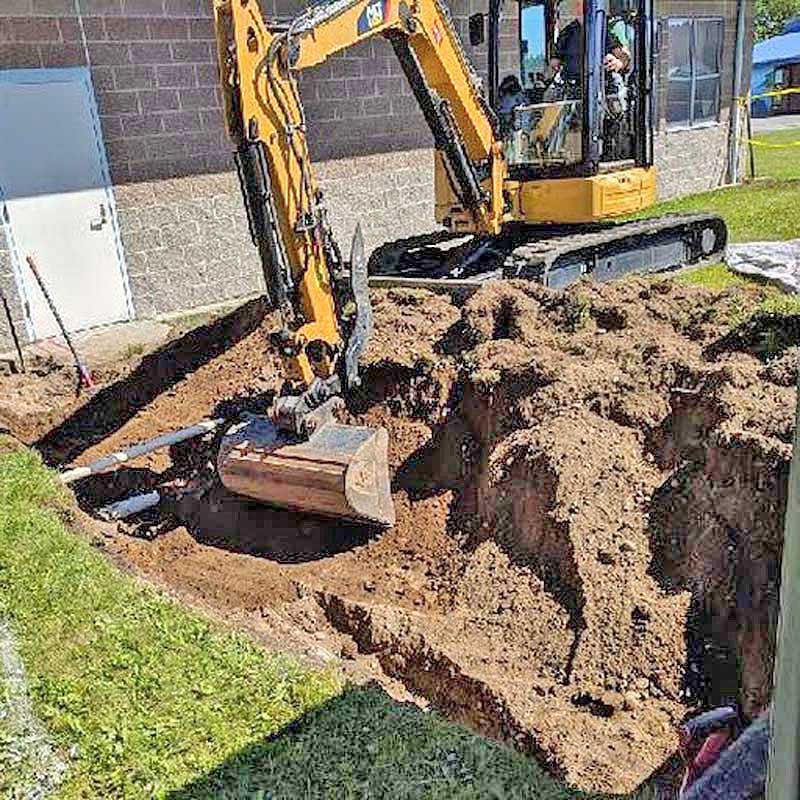
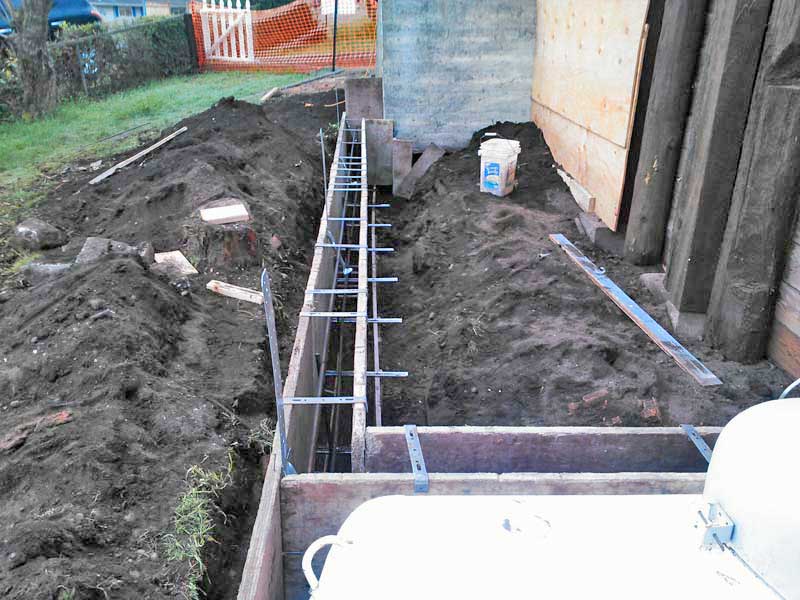
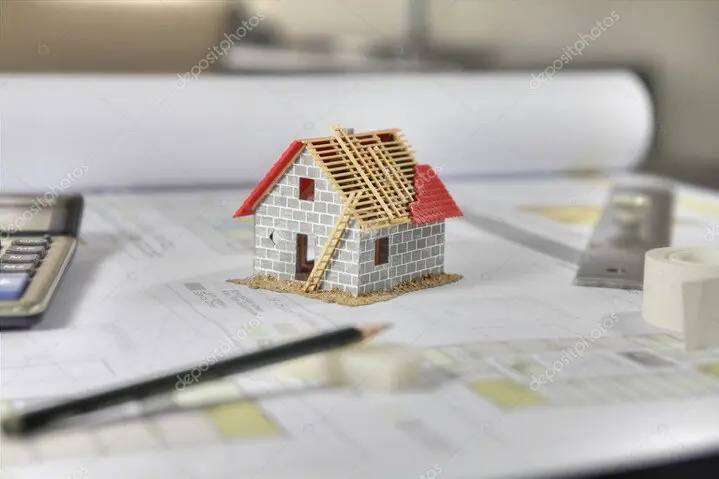
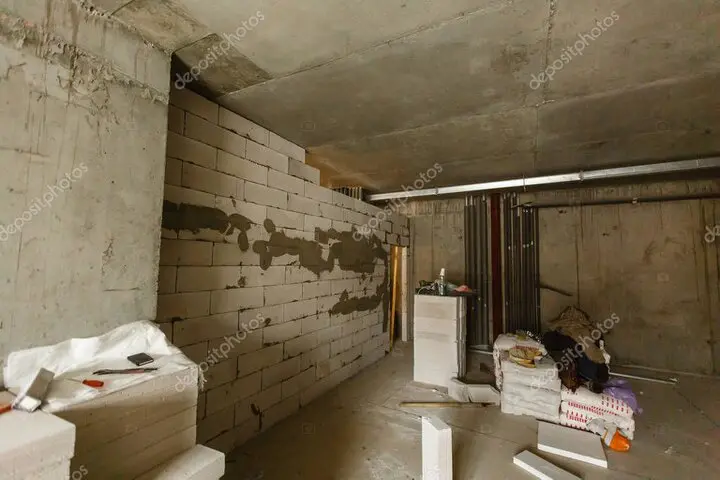

How to Use These Resources
These tools are designed to make planning easier and to support clear communication throughout your project.
- Fill them out before our first call, or bring them to an on-site visit.
- Use them to keep track of ideas, questions, and decisions as the project evolves.
- Share them with other decision-makers so everyone stays on the same page.
Need Help With Your Project?
If you are thinking about a new build, remodel, addition, or repair, we are here to help you sort through options and next steps. Whether your plans are sketched on a napkin or fully drawn, we can join you where you are and move the project forward.
Custom Enterprise Development LLC combines small-company personal service with broad construction and site-work experience. We are glad to answer questions, walk your property with you, and provide a clear estimate for your project.
Custom Enterprise Development LLC combines small-company personal service with broad construction and site-work experience. We are glad to answer questions, walk your property with you, and provide a clear estimate for your project.